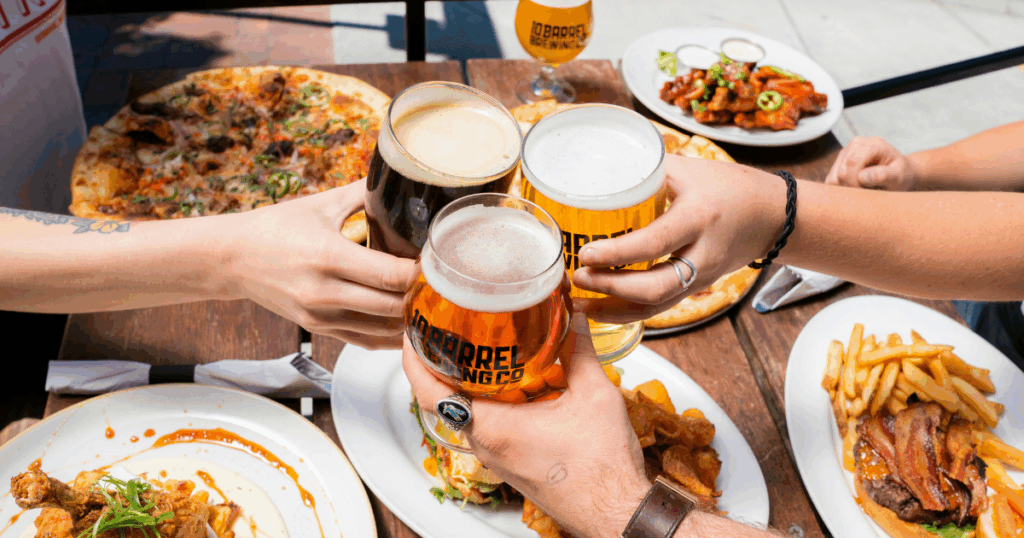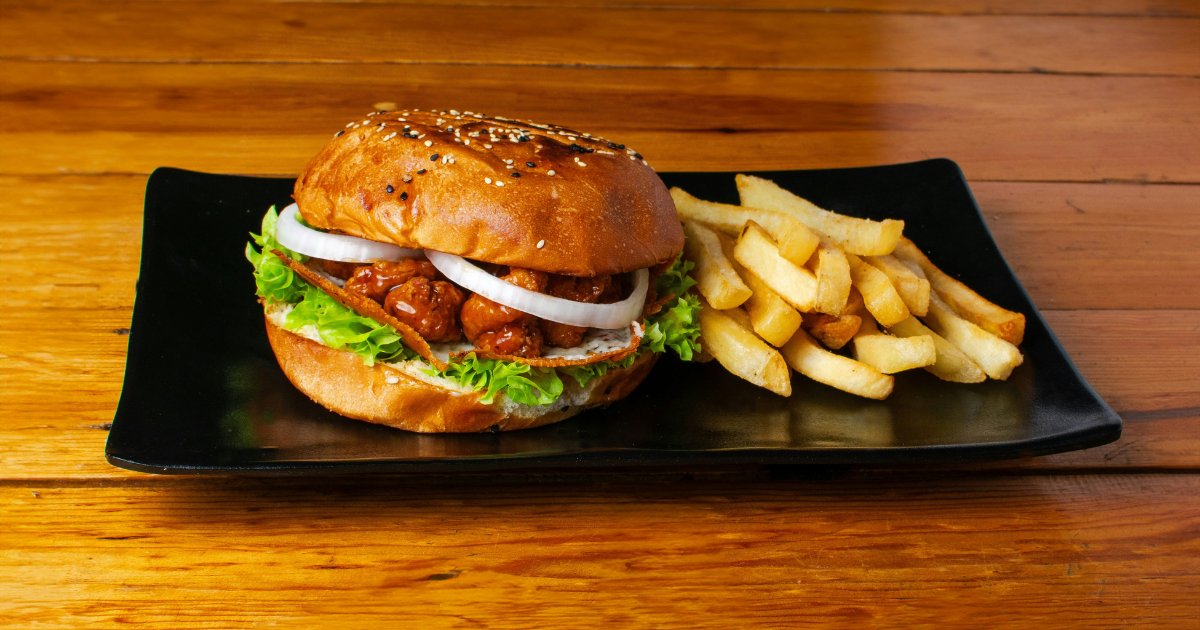
One of the most challenging parts of staying consistent with a flexible dieting plan is navigating social situations and meals out. At home, you’re in complete control — you weigh your food, track every macro, and know exactly what’s going into your body. But when dining out, especially at places that don’t offer nutritional information, the uncertainty can cause stress or anxiety.
From unknown cooking methods to oversized portions and hidden calories in oils, sauces, or dressings — estimating calories at restaurants is far from an exact science. Still, that doesn’t mean it’s impossible or even something you need to stress about every time.
This guide will walk you through the best methods to estimate your calories while dining out, when to actually track them, and how to avoid letting one meal derail your progress.
Do I Really Need to Track My Calories When Eating Out?
Short answer: not always. If you’re going out for a special event, a birthday dinner, or just a once-in-a-while meal, it’s perfectly fine to take a break from tracking. One meal — even if it’s high in calories — won’t ruin your progress, especially if you get right back on track the next day.
However, if you’re eating out multiple times per week and actively pursuing fat loss or body recomposition, then consistently estimating those meals becomes more important. When progress slows or plateaus, untracked or poorly estimated meals out are often a big reason why.
Method 1: Use the Restaurant’s Website or Menu
Any U.S. restaurant with 20 or more locations is required by law to provide calorie information on their menu or online. This includes most fast-food chains and casual dining spots like:
- Chipotle
- Chick-fil-A
- Starbucks
- Chili’s
- Applebee’s
- Cheesecake Factory
In many cases, the menu will show calories, and the brand’s website will often have a downloadable nutrition PDF with full macro breakdowns.
Important Note: Even though the nutrition info is provided, it’s still just an estimate. Restaurants don’t weigh every ingredient to the gram, and portion sizes can vary based on who’s cooking that day. Expect up to a ±20% variance.
Method 2: Compare to Similar Meals
If you’re dining at a local restaurant without nutritional info, look for a similar item from a chain that does provide nutrition data. For example:
- Got a bacon cheeseburger from a local pub? Look up the same item from Five Guys, Red Robin, or Wendy’s.
- Ordered chicken alfredo? See what Olive Garden or Cheesecake Factory lists for their version.
- Having a breakfast burrito from a coffee shop? Use Chipotle’s burrito builder to estimate based on similar ingredients.
Cross-referencing across multiple restaurants and taking the average can help you land on a reasonable calorie range. Again — not perfect, but much better than guessing blindly.
Method 3: Using AI to Estimate Calories
While this is a more controversial method, AI tools like ChatGPT can actually provide surprisingly decent macro estimates if you give them the right information. The key is to guide the AI properly. Don’t just upload a picture and ask for a calorie count — instead:
How to Maximize Accuracy:
- Take multiple photos of your meal from different angles. If it’s a burrito, wrap, or sandwich, try to get a picture of the inside as well. After the meal, take another photo showing what’s left — this helps estimate how much was actually eaten.
- Include the meal description from the menu.
- Describe key details, such as:
- Portion size (e.g., 8–10 oz chicken)
- Cooking method (grilled, fried, sautéed)
- Visible sauces, condiments, toppings
- Whether it was heavy on oil, cheese, butter, etc.
- Ask for a macro breakdown — calories, protein, carbs, fat.
If the estimate seems off, ask the AI to break down each ingredient and adjust accordingly. This level of detail improves accuracy significantly.
My Experience:
On a recent two-week vacation to San Diego (amazing food, by the way), I used ChatGPT to estimate most of my restaurant meals. I didn’t obsess — I just tried to be consistent with my inputs. After the trip and a few days for my weight to stabilize, I was only up one pound — exactly what I expected. This showed me the method can work if used responsibly.
How Accurate Are These Methods?
Truthfully, there’s no way to know exactly how accurate any of these estimates are. There are too many variables: portion sizes, cook methods, ingredients, and even how much you actually ate.
But the goal isn’t perfection — it’s consistency.
One meal won’t make or break your progress. It’s the overall pattern of your choices that matters. Use these methods to stay mindful and informed, not to stress yourself out or micromanage every bite.
Final Takeaways
- Tracking when dining out isn’t always necessary, especially if you’re celebrating or eating out infrequently.
- When progress stalls, estimating meals becomes more important — but it still doesn’t have to be perfect.
- Use restaurant menus, similar items, and AI tools to get close-enough estimates.
- Be mindful of added oils, dressings, and sauces — they’re often where the hidden calories live.
- Don’t obsess over one meal. Enjoy it, move on, and get back to your routine.
The most successful transformations are built on long-term consistency, not short-term perfection. Eating out can still fit into your fat loss journey — you just need to approach it with the right strategy and mindset.